
A better way to track client requests without sending clients to Jira
I have tried the "just use a serious project-management tool" approach. On paper it sounds reasonable. In practice it usually means the freelancer is managing one system, while the client keeps behaving like a client and sends the real work through email, chat, calls, screenshots, and the occasional midnight message.
That is the gap I kept running into.
I did not need something softer than project management. I needed something shaped correctly for client work.
The real pain is not a lack of tasks
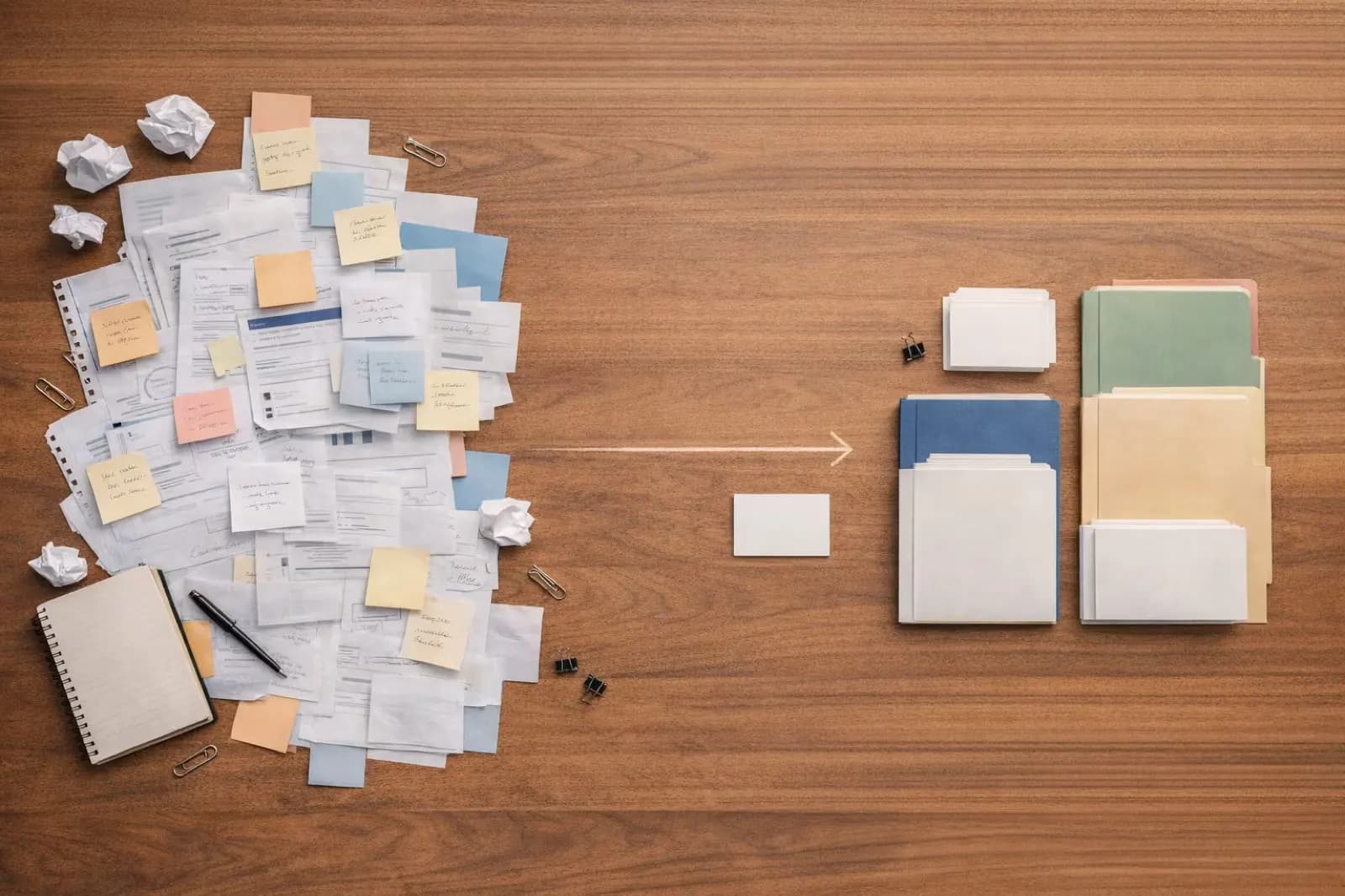
Most freelance projects do not become stressful because there are too many tasks. They become stressful because the requests stop having a trustworthy home.
I have seen the same pattern too many times:
- a new request is tucked into an old email reply
- one stakeholder comments on the wrong version
- someone says "looks good" but only means part of the work
- a small side request quietly becomes real scope because nobody logged it cleanly
Nothing explodes. The project just gets foggy.
That fog is what wastes time.
Why Jira never felt right
Jira is good at what it is good at. I do not think the problem is that Jira is bad. The problem is that it is built for internal teams with established roles, internal process, and a shared tolerance for complexity.
Most clients do not dislike that kind of tool because they are difficult. They dislike it because it asks them to behave like an internal software team.
Client work is different.
Clients do not want a workflow lecture. They want to answer very simple questions:
- what did I ask for
- what is being worked on
- what needs my review
- what is done
If the system makes those answers harder instead of easier, they stop using it and the project drifts back into email again.
That is why a [Jira alternative for freelancers](/jira-alternative-for-freelancers) needs to be calmer than Jira, not just smaller than Jira.

What actually helped me
What I needed was much quieter than most software tries to be.
The workflow that works best for me looks like this:
- Every request becomes its own issue.
- Comments stay attached to that issue.
- Screenshots and files stay with the work they belong to.
- The status flow stays simple and opinionated:
Open -> In Progress -> Review -> Done. - It is immediately obvious what is waiting on me and what is waiting on the client.
- Approval is explicit.
That is enough. It does not need a ceremony around it.

The moment everything has a home, the project gets calmer.
What clients seem to like
In my experience, clients do not push back on structure itself. They push back on friction.
They are usually happy with something that feels this simple:
- here is the request
- here is the latest version
- here is the current status
- approve this when you are happy with it
That is a much easier shape for client work than "welcome to our workflow platform."
The test I keep coming back to
Whenever I look at a tool for client requests, I end up asking the same question:
Does this make it easier for the client to review and approve work, or does it just make me feel organized?
That question cuts through a lot of software.
What I wanted, and what eventually led me to IssueClear, was a calmer record of what was asked, what changed, and what is done. That has been far more useful than trying to dress a client project up like an internal product team.